Filipino Folklore Finds A Home At DreamWorks’ Forgotten Island
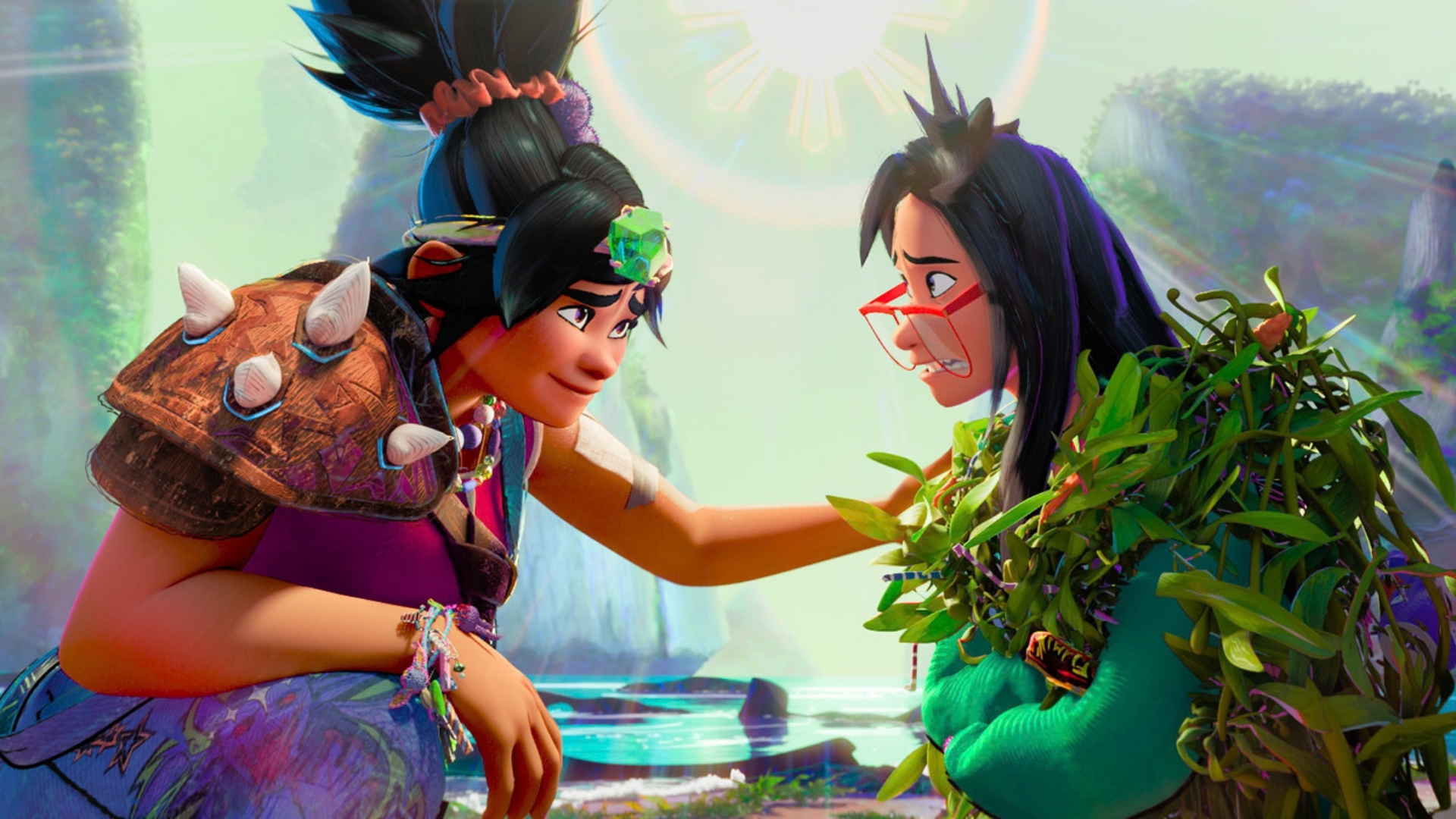
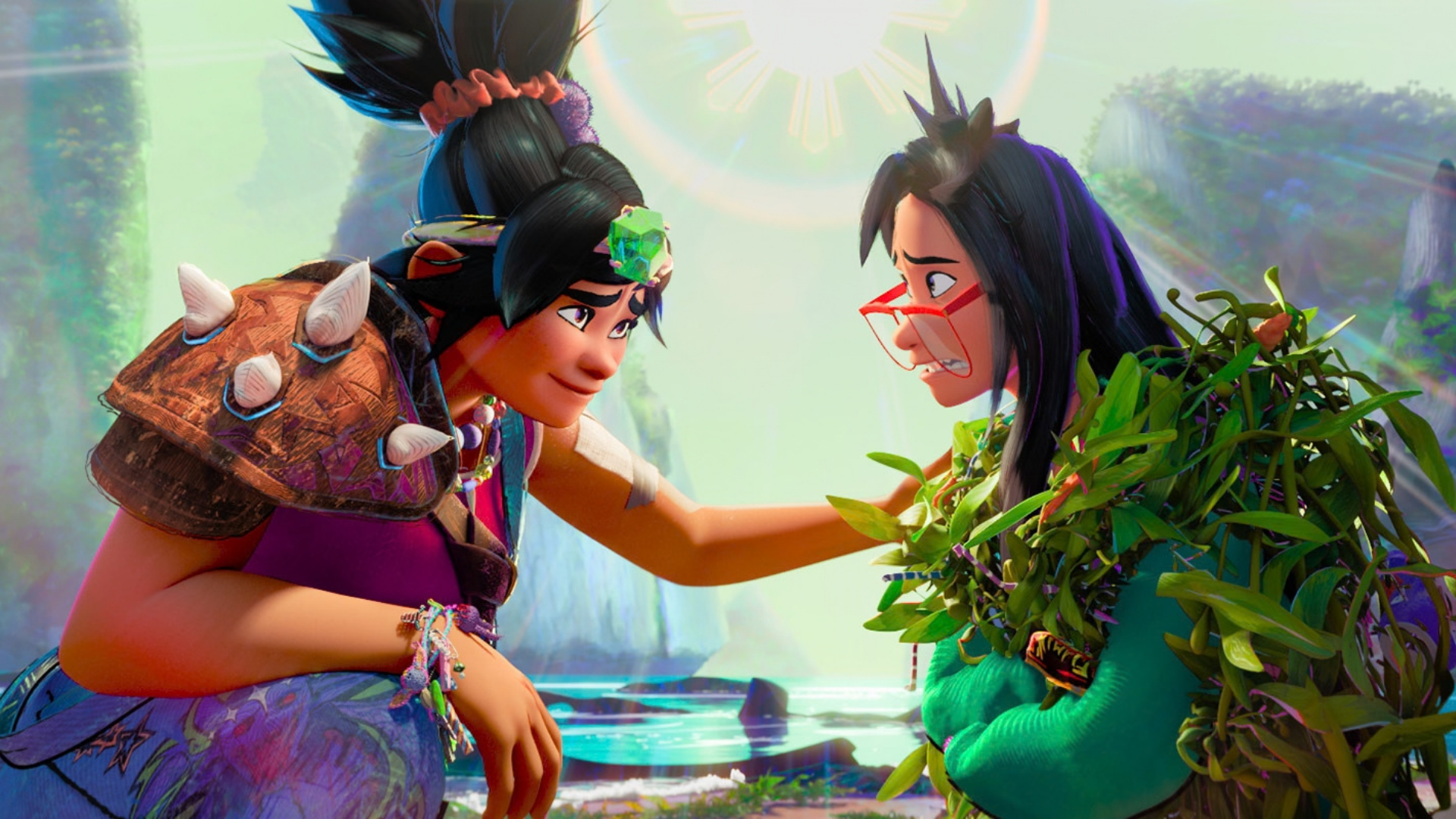
H.E.R. and Liza Soberano, as Jo and Raissa in Forgotten Island. | Image courtesy of Universal Pictures Australia
There are some films where representation feels like a nice bonus. Then there are films where representation makes you sit a little closer to the screen.
Forgotten Island is the latter.
This movie is probably the most accurate depiction of Filipino culture I have ever seen at an international level. What were once inside jokes, family stories, or exclusive bits of Filipino intel are now pieces of our culture being shared with the rest of the world – offering a glimpse of what being a Filipino actually feels like outside of the polished, “media-trained” impression the country so often presents.
Directed and written by real-life best friends, Joel Crawford and Januel P. Mercado (both known for Kung Fu Panda 2, The Croods: A New Age, and Puss In Boots: The Last Wish), Forgotten Island is DreamWorks Animation’s 2026 fantasy adventure about two lifelong best friends, Jo (voiced by H.E.R.) and Raisa (voiced by Liza Soberano). After celebrating their last night together, the pair stumble through a mysterious portal and find themselves on Nakali (short for nakalimutan, meaning ‘forgotten’ in Tagalog), a fantastical island populated by the magical and mythological creatures they grew up hearing about from their Filipino families. The catch? Getting home may mean sacrificing the memories of their entire friendship.
Knowing that Forgotten Island was being made for an international audience, I expected something that might come from the lens of a third-culture kid longing to reconnect with a part of their heritage they never fully experienced. Instantly, that expectation was shattered.
Instead, Forgotten Island feels like a beautiful love letter to the Philippines – whether you grew up there, left when you were young, or have only experienced the country through family stories, food, traditions, and the occasional terrifying warning from a lola.
A Filipino childhood, animated
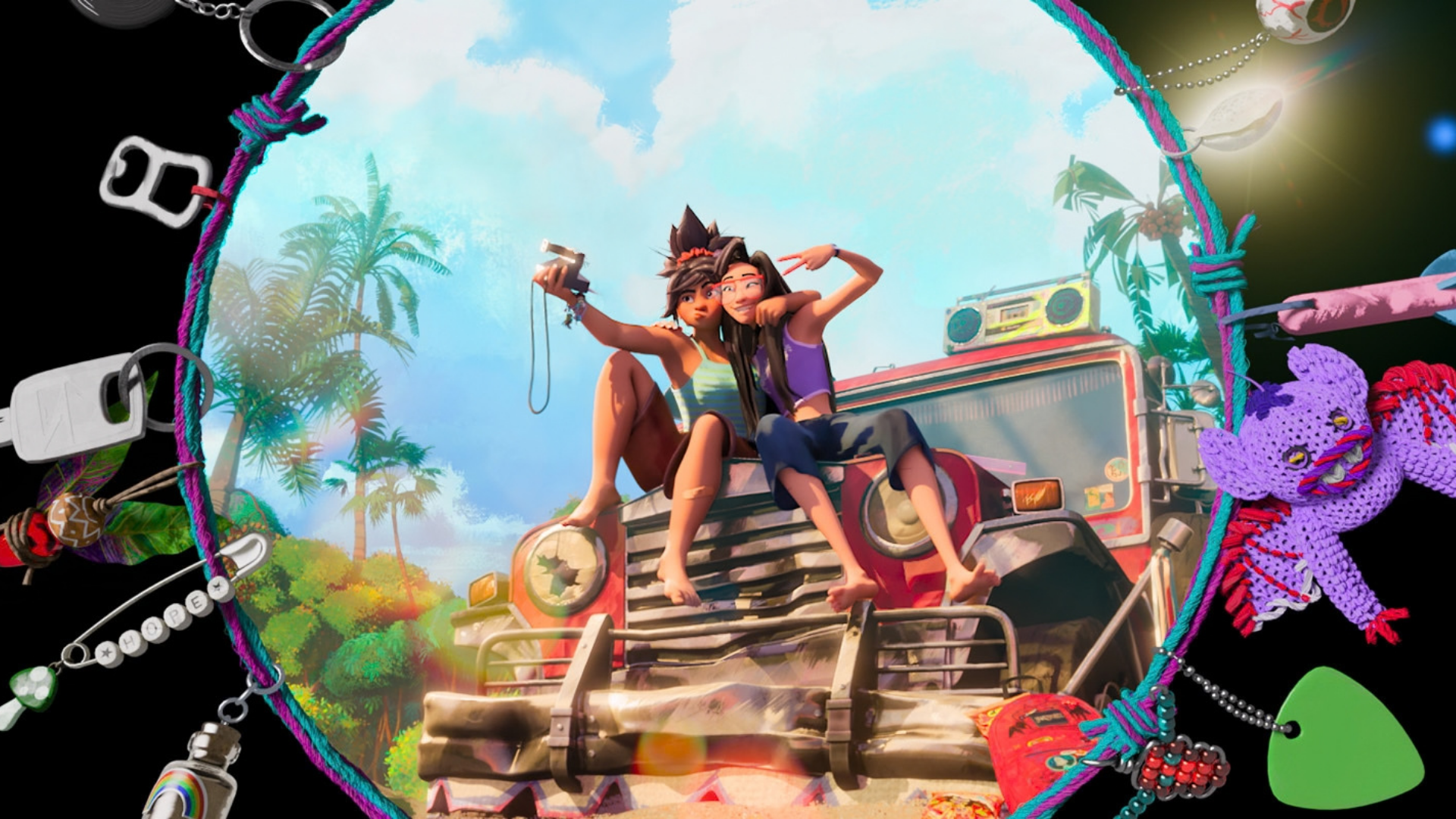
H.E.R. and Liza Soberano, as Jo and Raissa in Forgotten Island. | Image courtesy of Universal Pictures Australia
What I especially loved was seeing Filipino folklore placed so confidently in the spotlight.
These are stories and characters I grew up hearing from my own lolas and titas. The creatures of Filipino mythology have traditionally been presented to children as something to be afraid of: vicious, mysterious, and lurking somewhere just beyond the safety of home.
I remember having to introduce these stories to my own nephews. It was such a challenge because there was seemingly no way to get them interested in Filipino folklore without scaring them off. That’s what happens when your only visual aids are the Shake, Rattle & Roll movies and Halloween episodes of Magandang Gabi, Bayan (IYKYK).
Forgotten Island changes that entry point completely. Instead of introducing Filipino mythology exclusively through fear, the film turns these creatures into colourful, funny, and genuinely lovable characters. I still can’t get over how cute Bungi the Tiyanak and King Truffle Wuffle the Dwende were. Seeing creatures that were once bedtime threats become animated characters that children of today can actually laugh with feels surprisingly meaningful.
The film’s world is populated by figures drawn from Filipino mythology and folklore, such as the Tiyanak (a vampiric creature disguised as a baby), the Dwende (the Filipino dwarf or gnome), the Kapre (a tree-dwelling giant), and the Manananggal (a female vampire-like creature that can detach its upper torso from its lower half to fly in the night), with Grammy and Tony Award winner Lea Salonga (Aladdin, Mulan, Les Misérables, Miss Saigon) voicing Manang, the feared creature at the centre of the adventure. Even the cast themselves have their own personal stories of these creatures, with Academy Award and Grammy Award-winning R&B singer H.E.R. recalling how the Manananggal was part of the Filipino folktales her own mother told her growing up.
That personal connection is important because Forgotten Island doesn’t feel as though Filipino folklore has simply been picked up as an exotic collection of monsters for an American animated film. There is unmistakable familiarity to the details. And that familiarity is where the film really got me.
The things that make a Filipino home
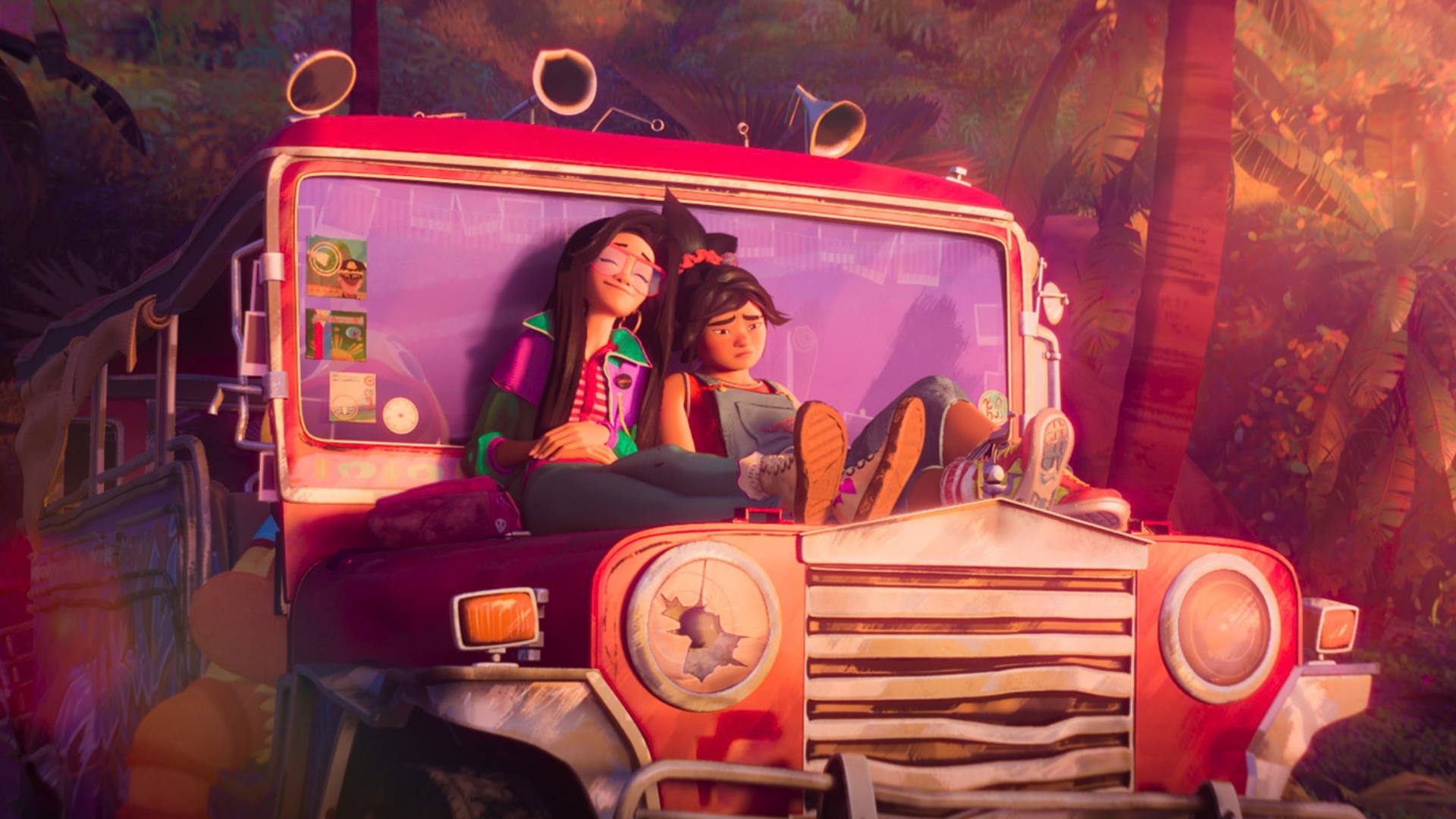
H.E.R. and Liza Soberano, as Jo and Raissa in Forgotten Island. | Image courtesy of Universal Pictures Australia
Amongst karaoke and Jollibee, family and friendship are deeply embedded in Filipino culture. The film understands that the little things connecting people can sometimes matter just as much as the big ones, using the Filipinos’ sentimentality and attachment to items that remind them of a certain memory.
At its heart, the film is about two best friends facing the possibility of being separated as they graduate from high school and begin different chapters of their lives. Jo and Raissa have been friends since grade school, but Raissa is preparing to leave the Philippines, choosing CalTech over FEU. Their friendship is tested by distance, change, and the fear of losing the memories that made them who they are. That premise hits a little bit harder for me as a Filipino living overseas.
Distance is not an abstract concept when you come from a culture where family and friendships can feel like an entire support system. Leaving the Philippines can mean missing birthdays, weddings, random family lunches, Christmas noche buenas, sari-sari store runs, and the conversations that happen simply because everyone happens to be in the same room.
You learn to maintain relationships through screens, messages, balikbayan boxes, and increasingly complicated time-zone calculations. So while Jo and Raissa’s story is wrapped in portals, mythical creatures, and magical islands, the emotional core is something I know very well.
Relationships change when people leave.
Sometimes, they survive. Sometimes, they don’t. And sometimes, you spend years trying to keep a little piece of the old version of yourself alive through the people you left behind.
While my own experiences haven’t necessarily been as successful as Jo and Raissa’s, watching their friendship made me hopeful that this particular aspect of being Filipino – the effort we put into keeping our connections alive – can continue to resonate with younger generations.
A cast that feels like home
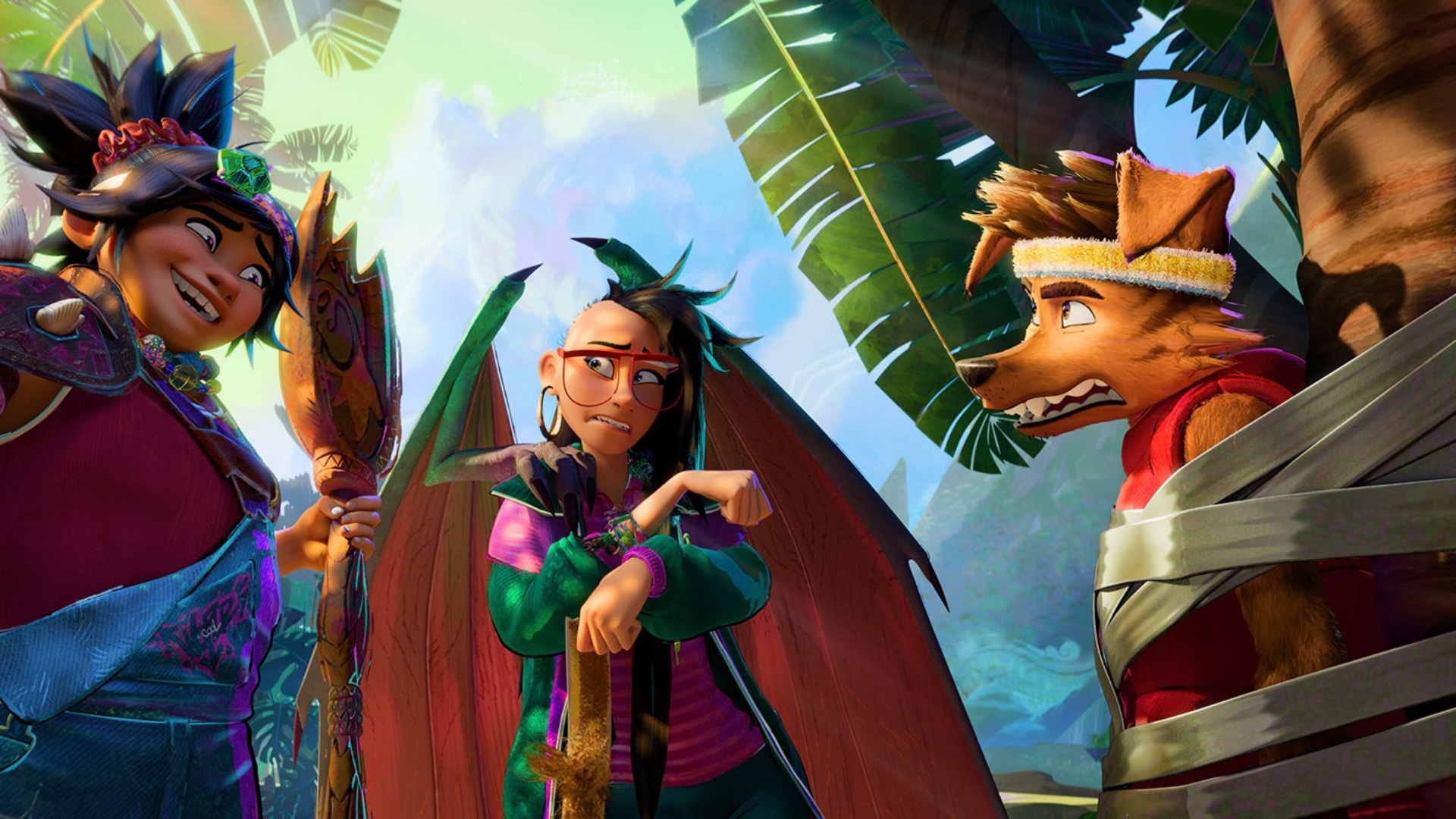
H.E.R., Liza Soberano and Dave Franco, as Jo, Raissa, and Raww in Forgotten Island. | Image courtesy of Universal Pictures Australia
The voice cast is another reason the film feels so special. For Filipino audiences, there is something particularly delightful about recognising so many familiar voices.
H.E.R., Liza Soberano, and Lea Salonga are joined by Dave Franco (Now You See Me, Neighbors, 21 Jump Street) as Raww, Jenny Slate (Everything, Everywhere All At Once, It Ends With Us) as Batiba the Batibat, Manny Jacinto (The Good Place, Top Gun: Maverick) as Bungi, Dolly de Leon (Triangle of Sadness, Nine Perfect Strangers) as Lola Fatima, Jo Koy (world renowned comedian) as Datu the Kapre, Ronny Chieng (Crazy Rich Asians, Shang-Chi and the Legend of the Ten Rings) as King Truffle Wuffle, as well as Eugene Cordero (Loki, Star Trek: Lower Decks), Nico Santos (Superstore, Guardians of the Galaxy Vol. 3), and even the viral TikTok sensation, Nurse John.
I have witnessed Liza Soberano’s career start and flourish in the Philippines, from her earlier Filipino films to Alone/Together (directed by Antoinette Jadaone), and then watched her take on her first major American film role in Lisa Frankenstein (directed by Zelda Williams) opposite Kathryn Newton (Ant-Man and the Wasp: Quantumania, Big Little Lies) and Cole Sprouse (The Suite Life of Zack and Cody, Riverdale). Seeing her now voice a Filipino character in a major DreamWorks production feels like a particularly full-circle moment.
There is something wonderfully fitting about Soberano voicing Raissa, a character whose story involves leaving the Philippines and navigating what it means to move towards a new life. Soberano has also spoken publicly about how that aspect of Raissa’s story reflected her own experience of moving from the Philippines to the United States. It makes her performance feel especially personal.
DreamWorks meets Filipino pop culture
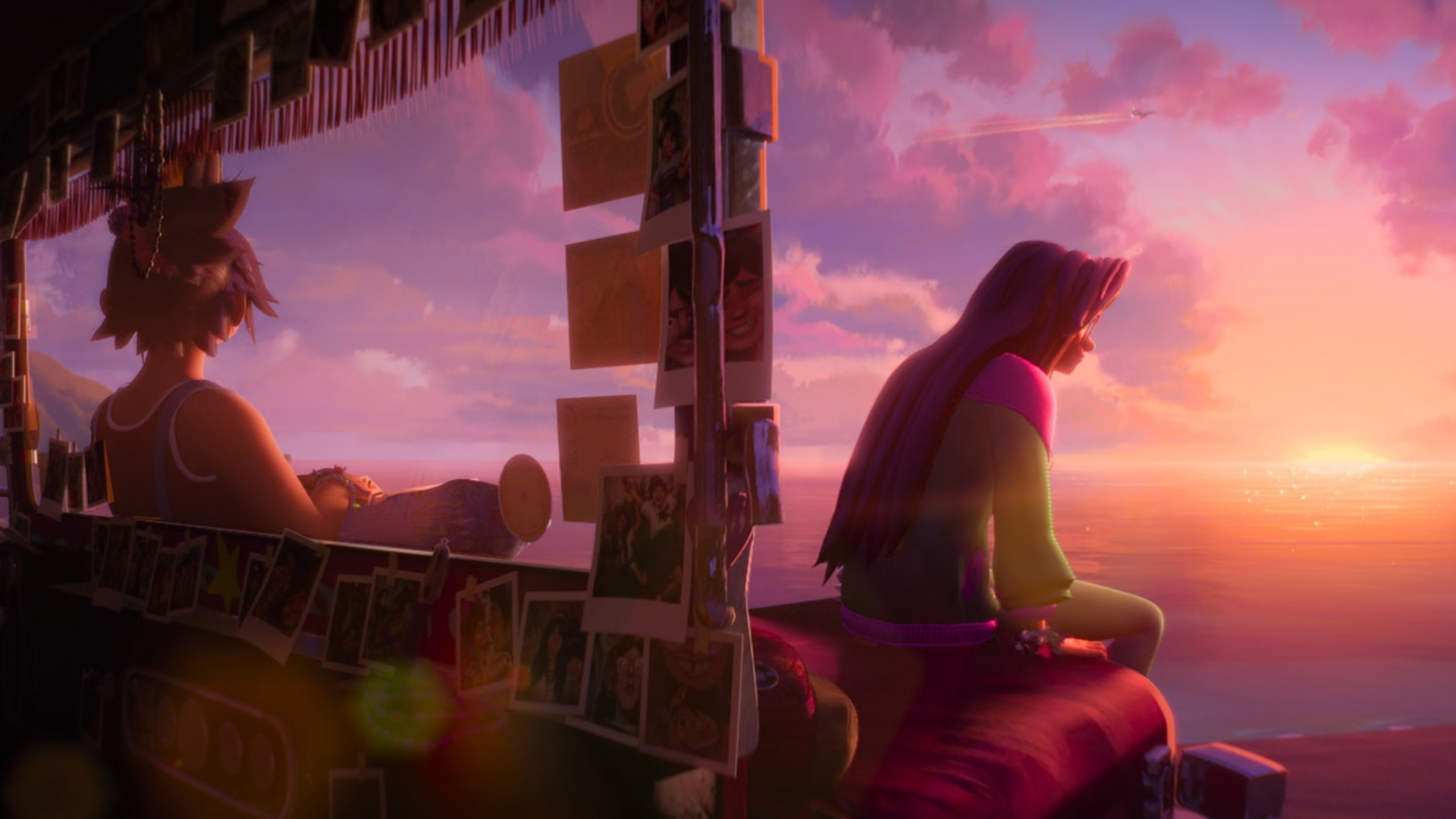
H.E.R. and Liza Soberano, as Jo and Raissa in Forgotten Island. | Image courtesy of Universal Pictures Australia
Visually, Forgotten Island is quintessential DreamWorks. The expressive character animation, energetic action sequences, and comedic timing feel immediately familiar, but the film also introduces its own visual personality through anime- and sitcom-esque framing, transitions, and comedic beats. It feels like a small nod to the visual language that many Filipinos grew up consuming alongside Western animation.
That blend works particularly well because Filipino pop culture has always been a bit of a collage. We borrow, remix, and make things our own.
The same feeling extends to the music.
Peabody Award-winning and Emmy-nominated composer Nathan Matthew David provides the original score, while the soundtrack features Filipino and Filipino-diaspora artists, including cast members themselves, H.E.R., Liza Soberano and Lea Salonga, as well as BINI, SB19, and Sophia Laforteza of KATSEYE.
There are songs here that trigger a very specific kind of nostalgia – not necessarily nostalgia for one particular memory, but for an entire period of growing up Filipino. The soundtrack understands that music can be a shortcut back home. My heart jumped with joy hearing APL de AP’s famous “Bebot”, Journey’s “Don’t Stop Believin’” in Alan Pineda’s version, and the legendary Filipino music icon, Francis M’s “Mga Kababayan” – a song that every Filipino kid in the 90s to early 2000s has danced to in kindy or primary school. A missed opportunity not to include some Eraserheads on there, though.
A film made for both generations
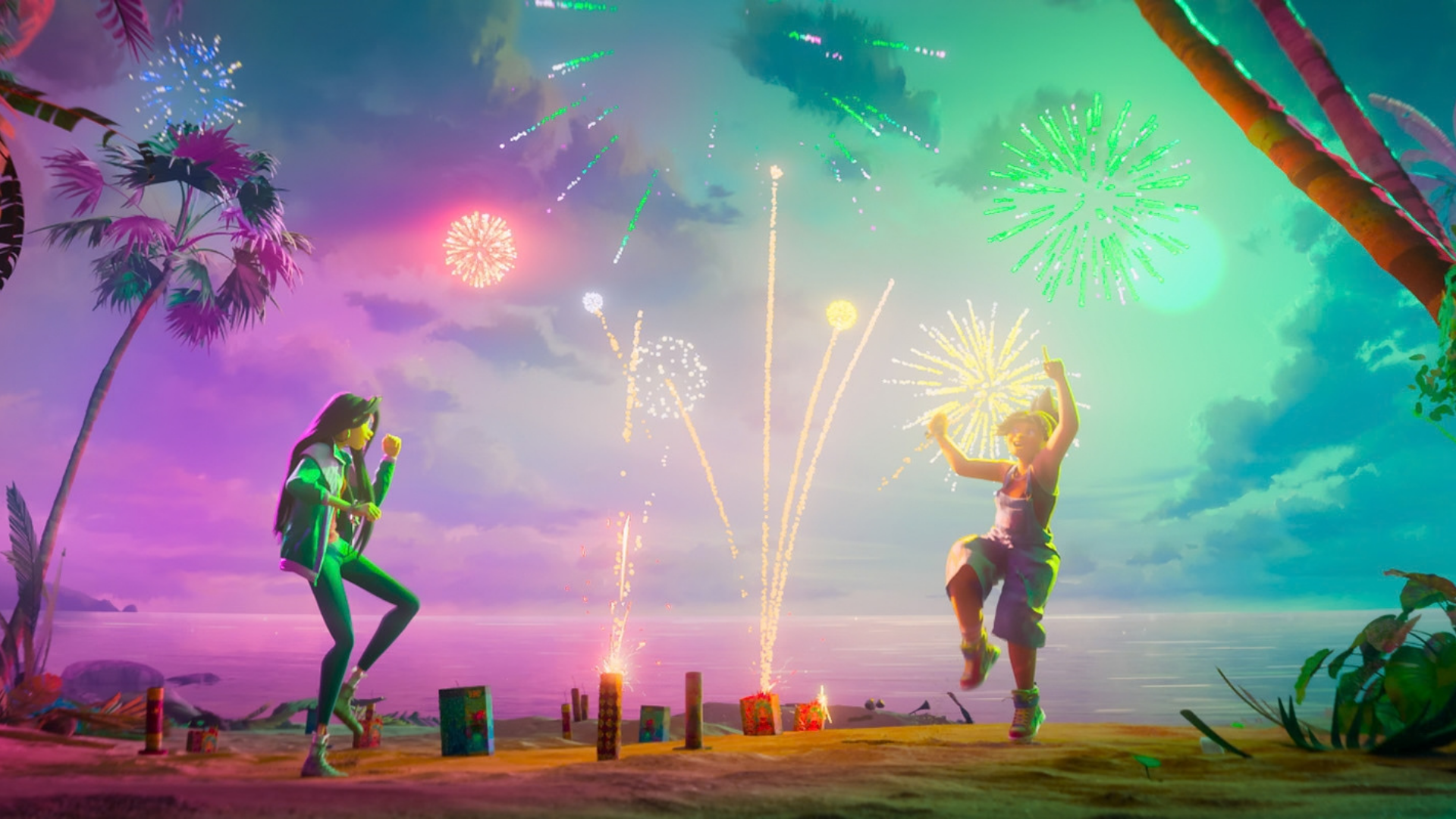
H.E.R. and Liza Soberano, as Jo and Raissa in Forgotten Island. | Image courtesy of Universal Pictures Australia
There is also something quite clever about who Forgotten Island is actually for. It works as an adventure for children, but there are layers throughout the film that feel designed for the adults sitting beside them.
For younger Filipino audiences, these characters can become an introduction to a mythology that has traditionally been passed down through family stories. For older Filipinos, especially those living overseas, the film can feel like an unexpected collection of things you forgot you missed.
It is not just the folklore – It is the food, the family dynamics, the humour, the little gestures, the way people talk – the things that are funny specifically because you grew up Filipino.
The film’s creators have spoken about drawing from Filipino culture and from the important Filipina women in their own lives, which helps explain why these details feel so integrated into the story rather than simply added as decoration. And perhaps, that is why the film affected me more than I expected.
I went into Forgotten Island expecting to see Filipino culture represented. Instead, I saw fragments of childhood.
A little piece of home
My partner and I stayed through the credits, looking at pictures of the cast and crew when they were once Jo’s and Raissa’s. Growing up in different cultures and ethnicities, it was genuinely heartwarming to be able to share this experience with him, showing him a piece of me through something we both love – films.
It cemented the feeling I had been carrying throughout the entire film: a nostalgic affection for my younger self.
There is something strange and wonderful about seeing pieces of home appear in a major international animated film.
For Filipinos who grew up in the Philippines, Forgotten Island might feel like seeing familiar childhood stories given a new life. For Filipinos who grew up overseas, it may feel like someone has opened an old family cupboard and pulled out things you haven’t thought about in years. And for children who are growing up somewhere between cultures, perhaps it gives them something new to claim as their own.
That is what I loved most about Forgotten Island. It doesn’t feel like a film asking permission to tell a Filipino story. It simply tells one. And in doing so, it gives Filipino folklore, humour, family, and friendship a huge animated stage.
This movie is for kids and adults to enjoy – it brings back memories for the older ones and creates new ones for the young. For me, watching Forgotten Island felt like having a little piece of home again even when it's miles away, to be enjoyed in a new place I now call home.
Forgotten Island is now showing in Australian cinemas, following its Australian theatrical release on 17 September 2026.
My rating: 3.5/5
Follow me on Letterboxd @gracedeluna.